Artificial Grass Installation: The Green Alternative for Your Lawn
Installing synthetic turf functions as a workable substitute for homeowners seeking a sustainable lawn option. Its strength and minimal maintenance requirements present notable gains over conventional grass. As water conservation becomes progressively essential, synthetic grass provides a workable remedy to ecological issues. Still, the decision to put in synthetic turf requires many factors that warrant meticulous review. What elements should residents consider before making the transition to this sustainable choice?
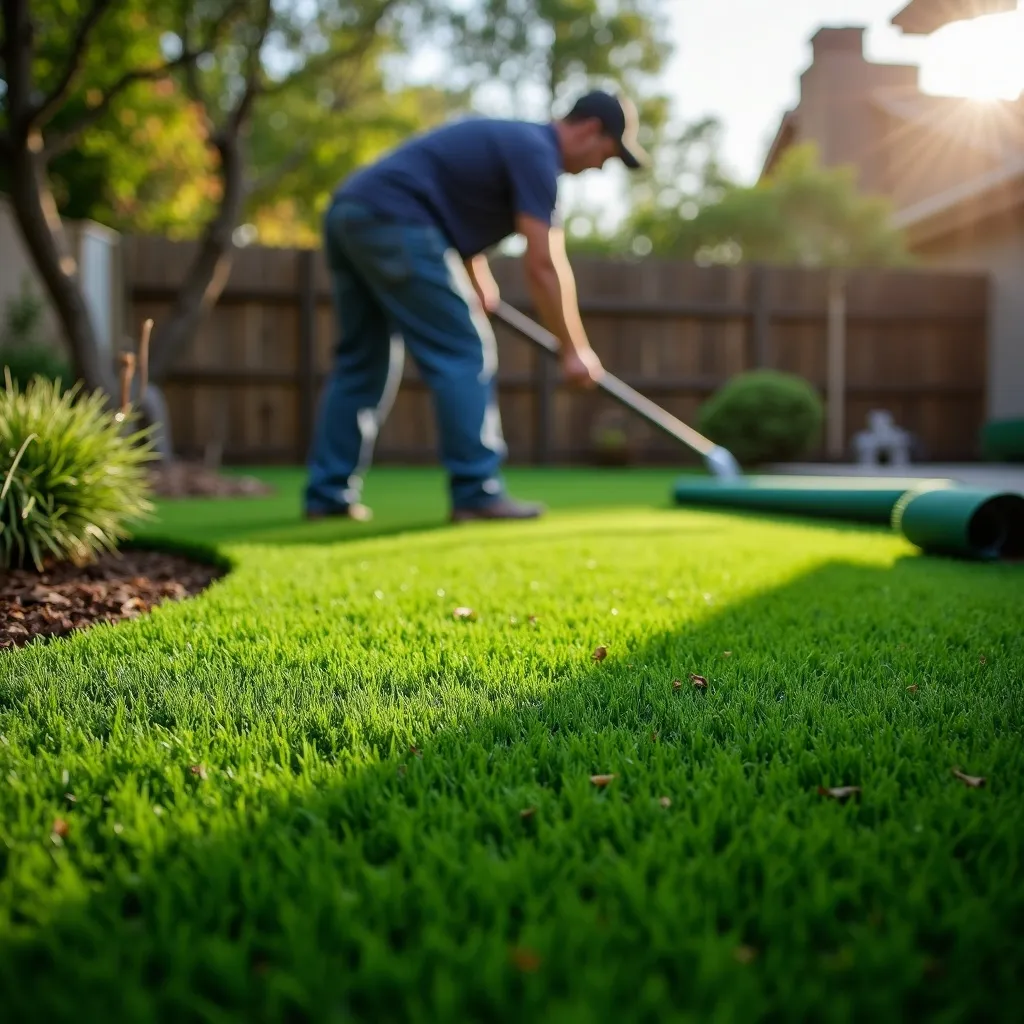
Learning About Synthetic Turf: Core Qualities and Merits
Synthetic turf has grown into a favored substitute to natural grass, presenting numerous advantages for various applications. One of additional article its core strengths is durability; synthetic grass can withstand heavy foot traffic and extreme weather conditions without deteriorating. This robustness makes it an outstanding choice for sports fields, playgrounds, and residential lawns.
Moreover, artificial grass demands minimal maintenance relative to natural grass. There is zero need for mowing, watering, or fertilizing, providing major time and cost benefits for homeowners and facility managers alike.
In addition, artificial grass is planet-friendly, as it conserves water and negates the need for injurious pesticides and chemical fertilizers.
With improvements in technology, modern synthetic turf reproduces the appearance and feel of natural grass, offering aesthetic appeal without the drawbacks. These features collectively make synthetic turf a viable and attractive option for a wide range of uses.
Placing Synthetic Turf: A Sequential Guide
When looking at the advantages of synthetic turf, the next logical step is understanding the installation process.
The opening stage entails site readiness, which includes removing the area of present grass, weeds, and debris. Next, a base layer of crushed stone or stone is positioned to ensure proper drainage and stability. Following this, a weed barrier is installed to inhibit unwanted growth.
Once the base is prepared, the synthetic turf rolls are spread out and placed, facilitating proper alignment. The edges are secured with stakes or adhesive, guaranteeing a seamless appearance.
After being positioned, a section of fill product, such as rubber or sand, is distributed uniformly to supply weight and support. Finally, the turf is brushed to raise the pile and achieve a lifelike appearance.
Completing these processes produces a robust, hassle-free lawn that enhances both visual charm and functional value.
Why Pick Synthetic Turf? Nature-friendly and Convenient Rewards?
Picking synthetic turf provides numerous environmental and practical benefits that make it an attractive option for many homeowners and businesses. One major advantage is conserving water; artificial turf eliminates the requirement for routine irrigation, which is particularly advantageous in arid regions.
In addition, it cuts down the reliance on toxic pesticides and fertilizers, fostering a more sustainable ecosystem.
From a practical perspective, synthetic turf demands reduced upkeep, conserving time and money on grass maintenance. It stays green and lush throughout the year, delivering a uniform visual attractiveness without seasonal fluctuations.
Moreover, synthetic turf is durable, capable of enduring heavy foot traffic and various weather conditions, making it perfect for both residential and commercial applications.
These aspects not only enhance the functionality of garden areas but also bolster sustained sustainability, highlighting synthetic turf as a desirable choice for environmentally conscious customers.
Critical Factors for Synthetic Turf Installation
Multiple factors must be considered before starting synthetic turf setup. First, it is essential to assess the planned purpose of the area. Various types of synthetic turf are engineered for specific uses, such as sports or residential landscaping.
Second, the area's climate should be evaluated; some materials may tolerate heat better than others.
Site readiness is another important component, demanding proper drainage and a level surface to guarantee durability and functionality. Additionally, possible regional rules or HOA standards may impact installation choices.
Selecting the correct infill substance is crucial for longevity and comfort, as it impacts both the appearance and texture of the turf.
Lastly, opting for a reputable specialist can greatly determine the performance and longevity of the installation. By addressing these considerations, homeowners can formulate informed decisions that most ideally suit their needs and enhance their outdoor spaces.
Upkeeping Your Synthetic Turf Lawn
Your synthetic turf lawn requires a consistent cleaning schedule to assure both its longevity and appearance.
Regular maintenance includes dealing with any spots and utilizing repair techniques as necessary.
Follow a reliable tidying calendar
Preserving the look and durability of synthetic turf lawns requires a consistent cleaning schedule. Regular maintenance helps avoid debris buildup, reduces odors, and enhances aesthetic appeal.
Homeowners should aim to remove leaves, twigs, and other organic materials at least once a week, especially during fall. Additionally, washing the turf with water monthly can help remove dust and allergens, ensuring a fresh look.
High-traffic areas might need consistent maintenance to maintain the structural soundness. When colder months arrive, frozen layers must be carefully removed to shield from harm to the grass components.
Finding and Repair Pointers
Spotting and handling issues promptly is necessary for maintaining the durability of synthetic turf lawns. Continuous assessments should be performed to catch signs of damage, such as tears, fraying, or uneven surfaces.
Upon detecting a problematic area, immediate action is necessary. Minor tears can be mended with specialized adhesive or turf tape, ensuring a firm bond without compromising appearance. For larger issues, professionals may be required to replace sections of turf.
In addition, keeping the base material intact is important; any shifting can result in additional concerns. Routine brushing helps keep an even appearance and can also reveal underlying problems.
Expense Assessment: Synthetic Turf vs. Natural Grass
When reviewing the costs of synthetic turf to natural grass, initial installation expenses are significant.
Moreover, sustained upkeep costs can considerably determine the overall financial commitment of each option.
A thorough examination of these elements delivers important knowledge for prospective buyers.
Upfront Installation Expenses
Initial setup expenses are crucial in the decision-making process for property owners and local governments evaluating synthetic turf versus natural grass.
Typically, the upfront costs for synthetic turf can range from $5 to $20 per square foot, depending on quality and installation complexity. In contrast, natural grass installation usually costs between $1 to $2 per square foot.
However, the total cost in genuine lawn can grow substantially due to earth preparation, water systems, and regular maintenance requirements.
Homeowners and municipalities must balance these initial costs against the potential long-term benefits of artificial grass, such as decreased water consumption and lower maintenance requirements.
Ultimately, learning these costs enables making smart, sustainable landscaping choices.
Sustained Maintenance Expenses
Long-term maintenance expenses markedly govern the overall return on investment of synthetic turf compared to natural grass.
Upkeeping natural grass entails continuous monetary outlays, featuring periodic mowing, nutrient enrichment, proper irrigation, and pest prevention measures, which can increase markedly over time. Homeowners may disburse hundreds to thousands of dollars annually to maintain a lush turf area.
In comparison, synthetic turf needs minimal upkeep, largely occasional brushing and rinsing to clear away debris. Though the early financial commitment in artificial grass might be elevated, the lowered extended-term costs make it an appealing substitute.
Additionally, artificial grass removes water bills associated with irrigation, further enhancing its economic value over time.
In the end, the financial advantages of synthetic turf upkeep can result in significant cost reductions for homeowners over time.
Dispelling Typical Misconceptions Regarding Synthetic Turf
Although a lot of individuals harbor misconceptions about synthetic turf, understanding the information can result in informed decisions. One common myth is that synthetic turf is harmful to the environment; however, many products are made from recycled materials and are fashioned to be durable, reducing waste.
A frequent assumption is that synthetic turf necessitates substantial heat management, but modern installations often include effective cooling technologies that mitigate temperature issues.
Additionally, some detractors contend that artificial grass encourages artificial compounds; yet, improvements in materials have considerably decreased the demand for harmful filler materials.
In conclusion, the notion that synthetic grass cannot support biodiversity is misleading; many installations can function alongside with native plants, providing habitats for local wildlife.
Often Asked Questions
How Long Does Synthetic Turf Last Before Needing Replacement?
Synthetic turf generally lasts between 15 to 25 years before needing replacement. Factors influencing longevity include quality, maintenance practices, and environmental conditions, which can significantly impact its strength and long-term functionality over time.
Can Animals Without Risk Utilize Synthetic Turf?
Pets may securely enjoy synthetic turf, as it is designed to be durable and non-toxic. Regular servicing promises purity, making it a useful option for pet owners desiring a low-maintenance, enjoyable outdoor space for their animals.
Can Artificial Grass Soak Up Heat During Bright Weather?
Certainly, synthetic turf does soak up heat in sunny weather, markedly increasing surface temperatures. This can result in strain for both humans and pets. Frequent watering or selecting lighter-colored grass can help diminish this heat retention.
What Are the Choices for Synthetic Turf Hues and Designs?
Artificial turf options comprise various colors, including intense greens, deep browns, and exclusive shades. The designs span faithful reproductions of natural grass to artistic patterns, catering to a wide array of visual tastes and functional needs.
How Does Synthetic Turf Affect Regional Wildlife?
Man-made turf can interfere with local wildlife by altering ecosystems and reducing natural nutrition availability. Its inflexibility may deter certain species from nesting or foraging, potentially resulting in decreased biodiversity in the affected areas.
Comments on “Leading canton top Synthetic Turf Installation”